Insurance Investigations
Evidence-led support for questionable or high-risk insurance claims, personal, commercial, and casualty.
Insurance investigations support adjusters and special-investigation units when a claim is questionable, thin, or high-value. Auto, property, casualty, and liability files all stall on the same problem: the story is not lining up with the physical world. Investigations Plus supplies scene work, statements, surveillance, and background so the claim decision is evidence-led rather than gut-led.
When this service is the right file
- A loss date, location, or occupancy story has internal contradictions.
- Prior losses, related parties, or a newly added insured appear at the worst possible time.
- Liability depends on who was driving, who was working, or who owned the dog.
- A theft or fire needs a canvass and a timeline, not only a proof-of-loss form.
- Subrogation requires finding people and assets, not just writing a reserve.
How the investigation is done
We read the policy question you are actually trying to answer: coverage, liability, quantum, or fraud. Scene photographs, measurements, and neighbourhood canvasses come first on property and auto. Recorded or signed statements are taken with proper identification. Background on claimants and witnesses uses public records. Surveillance is used when activity or occupancy is the issue, not as a default. We keep SIU-style notes: who we spoke to, who refused, and what we did not get to.
What you receive
- Scene photographs and diagrams
- Statement recordings or signed will-says
- Canvass results
- Public-record background on parties
- Surveillance if scoped
Legal and ethical limits
Insurers operate under provincial insurance law and privacy rules. We do not obtain statements by impersonating police. We do not lose exculpatory photos. If the file is heading to the Insurance Bureau or to police, chain of custody matters from day one.
Who typically retains this work
Carriers, independent adjusters, and defence firms. Public adjusters and claimants looking for a hired gun against an insurer are not this mandate.
Where we handle these files
Losses occur everywhere Ontarians live and travel. We handle Ontario scenes as a home base and attend elsewhere in Canada when the risk and the file justify it.
If the next reserve change depends on a fact nobody has gone to get, retain a licensed investigator. Bring the FNOL, the policy question, and the deadline.
Typical fact patterns
A loss date, location, or occupancy story has internal contradictions. Prior losses, related parties, or a newly added insured appear at the worst possible time. Liability depends on who was driving, who was working, or who owned the dog. A theft or fire needs a canvass and a timeline, not only a proof-of-loss form. Subrogation requires finding people and assets, not just writing a reserve.
Deliverables in practice
Scene photographs and diagrams Statement recordings or signed will-says Canvass results Public-record background on parties Surveillance if scoped We read the policy question you are actually trying to answer: coverage, liability, quantum, or fraud. Scene photographs, measurements, and neighbourhood canvasses come first on property and auto. Recorded or signed statements are taken with proper identification. Background on claimants and witnesses uses public records. Surveillance is used when activity or occupancy is the issue, not as a default. We keep SIU-style notes: who we spoke to, who refused, and what we did not get to.
Carriers, independent adjusters, and defence firms. Public adjusters and claimants looking for a hired gun against an insurer are not this mandate. Losses occur everywhere Ontarians live and travel. We handle Ontario scenes as a home base and attend elsewhere in Canada when the risk and the file justify it.
If the next reserve change depends on a fact nobody has gone to get, retain a licensed investigator. Bring the FNOL, the policy question, and the deadline. Insurers operate under provincial insurance law and privacy rules. We do not obtain statements by impersonating police. We do not lose exculpatory photos. If the file is heading to the Insurance Bureau or to police, chain of custody matters from day one.
Insurance investigations support adjusters and special-investigation units when a claim is questionable, thin, or high-value. Auto, property, casualty, and liability files all stall on the same problem: the story is not lining up with the physical world. Investigations Plus supplies scene work, statements, surveillance, and background so the claim decision is evidence-led rather than gut-led. If the next reserve change depends on a fact nobody has gone to get, retain a licensed investigator. Bring the FNOL, the policy question, and the deadline.
Related investigation services
These investigations are often used together. Open any service to see how we handle it.
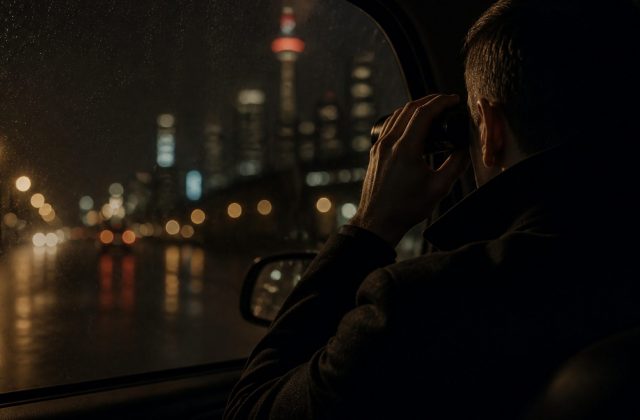
Private Investigator Surveillance
Covert physical surveillance that documents where someone goes, who they meet, and what they do, lawfully and discreetly.
Learn more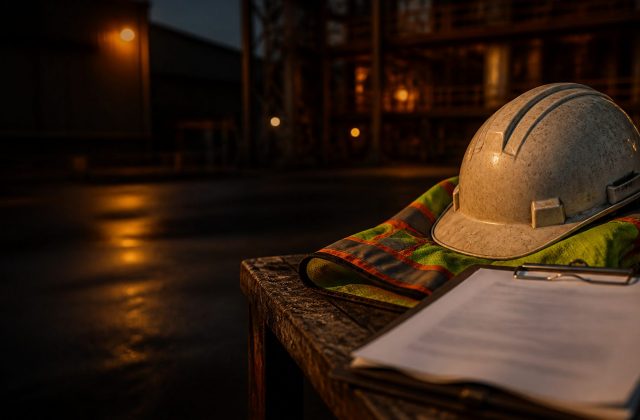
WSIB Investigations
Activity and background checks on workplace-injury claims when the file does not match the reported limitations.
Learn more
Disability Claims Investigations
Test reported medical limitations against observed activity for LTD, STD, and related disability files.
Learn moreQuestions about Insurance Investigations
We support counsel with fieldwork. EUO is a lawyer's examination. We can locate the person and serve them.
When staffed, yes. Scene integrity drops by the hour.
SIU files are a subset. Plenty of ordinary claims still need a canvass and a statement.
Why Investigations Plus
PI+ Ethics
Consistently high ethical standards across every investigation we handle.
PI+ Professionalism
Prompt, clear communication and the investigative attention your case requires.
PI+ Expertise
Specialists from military, legal, forensic, IT, cyber, and psychological backgrounds.
PI+ Values
Clear reporting, practical recommendations, and work scoped to the evidence you need.
Partners in private investigations
What clients say


Our offices & coverage
Head office in Brampton. Site office in Toronto. Serving Toronto, Brampton, Mississauga, Vaughan, Markham, Richmond Hill, the GTA, Ontario, Canada, and internationally when required.
-
Brampton, Ontario - Head Office
10 George St N, Ste 137, Brampton, ON L6X 1R2
-
Toronto - Site Office
1682 Eglinton Ave W, Toronto, ON M6E 2H5